Tell one story well.
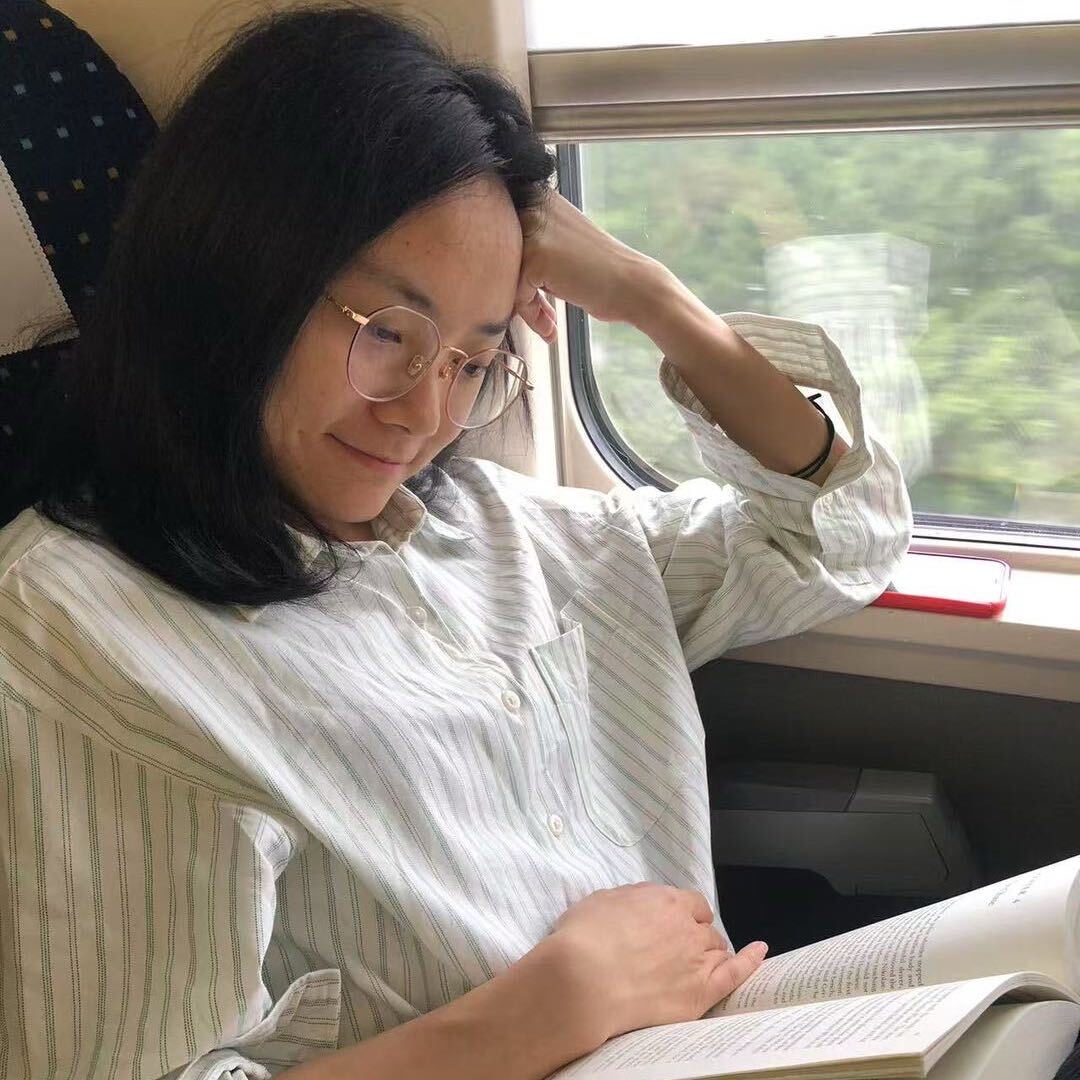
My training comes from newsrooms. At Bloomberg News, The Wall Street Journal and Mergermarket, the job was to interview strangers, verify facts, decide what actually mattered, and write it in the most precise English I could manage. That work leaves no room for vagueness: every number needs a source, every characterization needs evidence, and readers decide in seconds whether to keep going.
A U.S. undergraduate application poses the same problem. Admissions readers move through a great deal of material quickly, and what they are looking for is not an elegant sentence but a person who is specific, credible and still memorable at the end. Most essays fail not because the English is weak but because nothing has been chosen — everything is listed, and the reader remembers none of it.
So the process here looks more like a long interview than a form. We spend real time on where a student grew up, what they have actually committed to, what went wrong and what they thought at the time. Students often open with "nothing interesting has happened to me." After enough follow-up questions, there is almost always a thread that is true, concrete and theirs alone. Only once that through-line is settled do we start writing.
I started this earlier than the reporting. From my second year of university I was helping students with U.S. applications in my spare time. Several have gone on to top-30 U.S. universities, and others have been admitted to selective summer programs including Pioneer Academics and the Iowa Young Writers' Studio. I now take students as an independent adviser, and I do all of the work myself.
I take on a limited number of students, and if someone's needs are a poor fit for what I do, I will say so.
Start with a conversation
Tell me the student's year, the type of application and what is hardest right now, and I will come back with specifics.